When the Zoo Slows Down: Why Summer Visits Look Different
Discover how summer heat influences zoo animals and how a slower visit can become a more meaningful zoo day.
A Different Kind of Zoo Day
A summer zoo day has its own kind of energy.
Families move along the pathways, kids point toward their favorite animals, cameras are ready, and an Icee might be the perfect treat to cool everyone down. The sun is bright, the day feels full, and there is always something around the next turn.
But summer zoo visits can also feel different.
The lion may be resting in the shade.
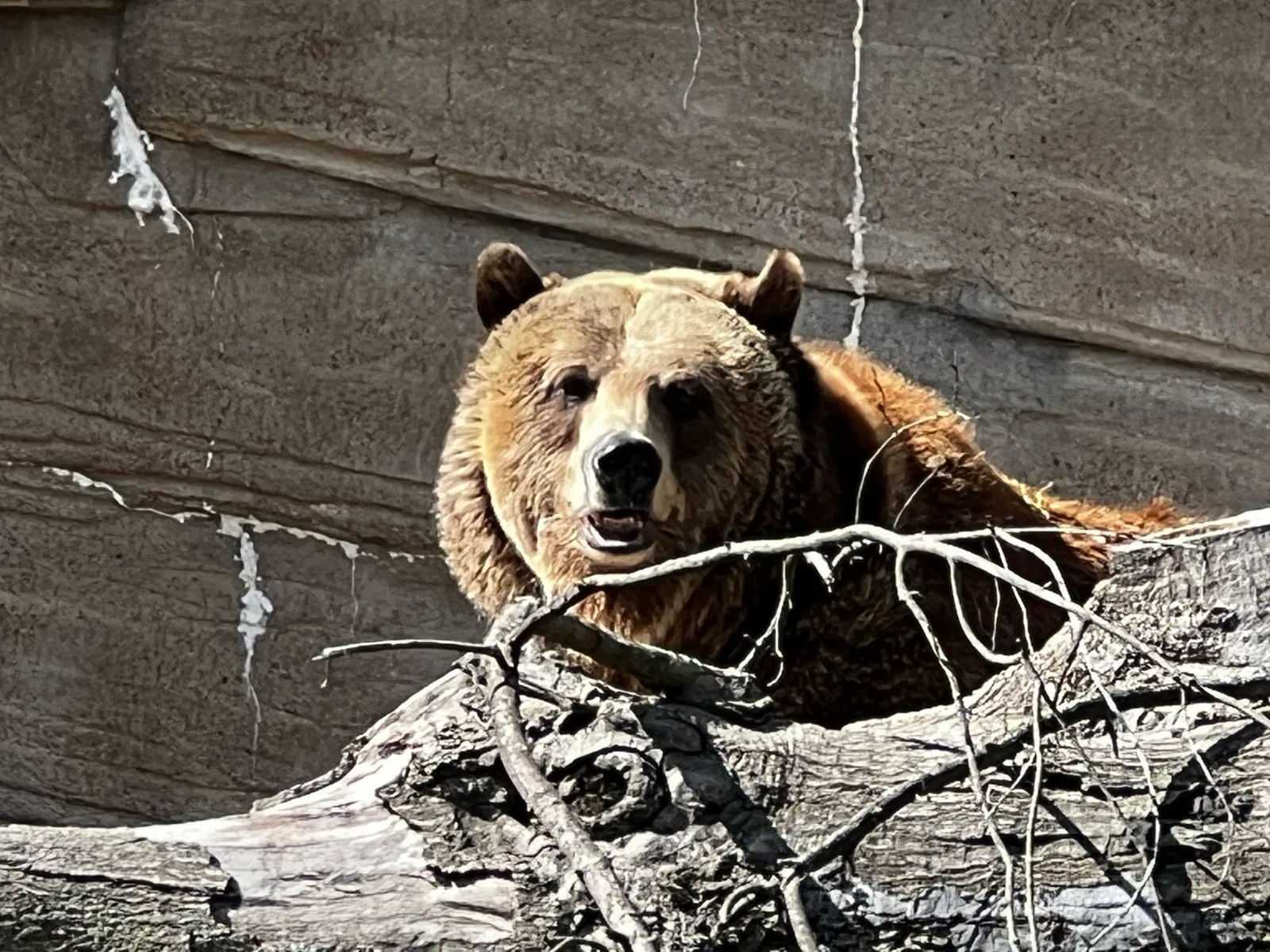
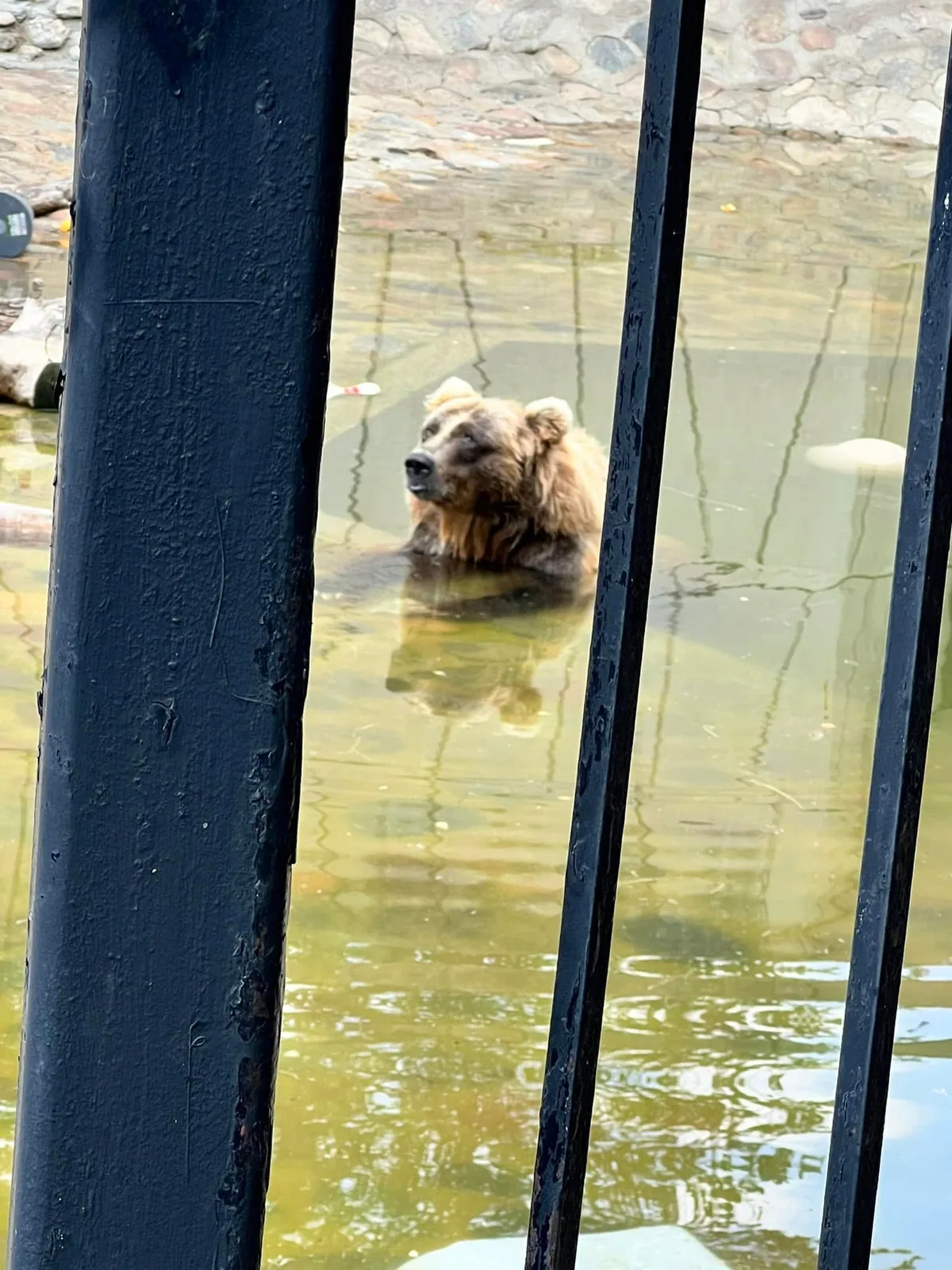
The bear may be near the water.
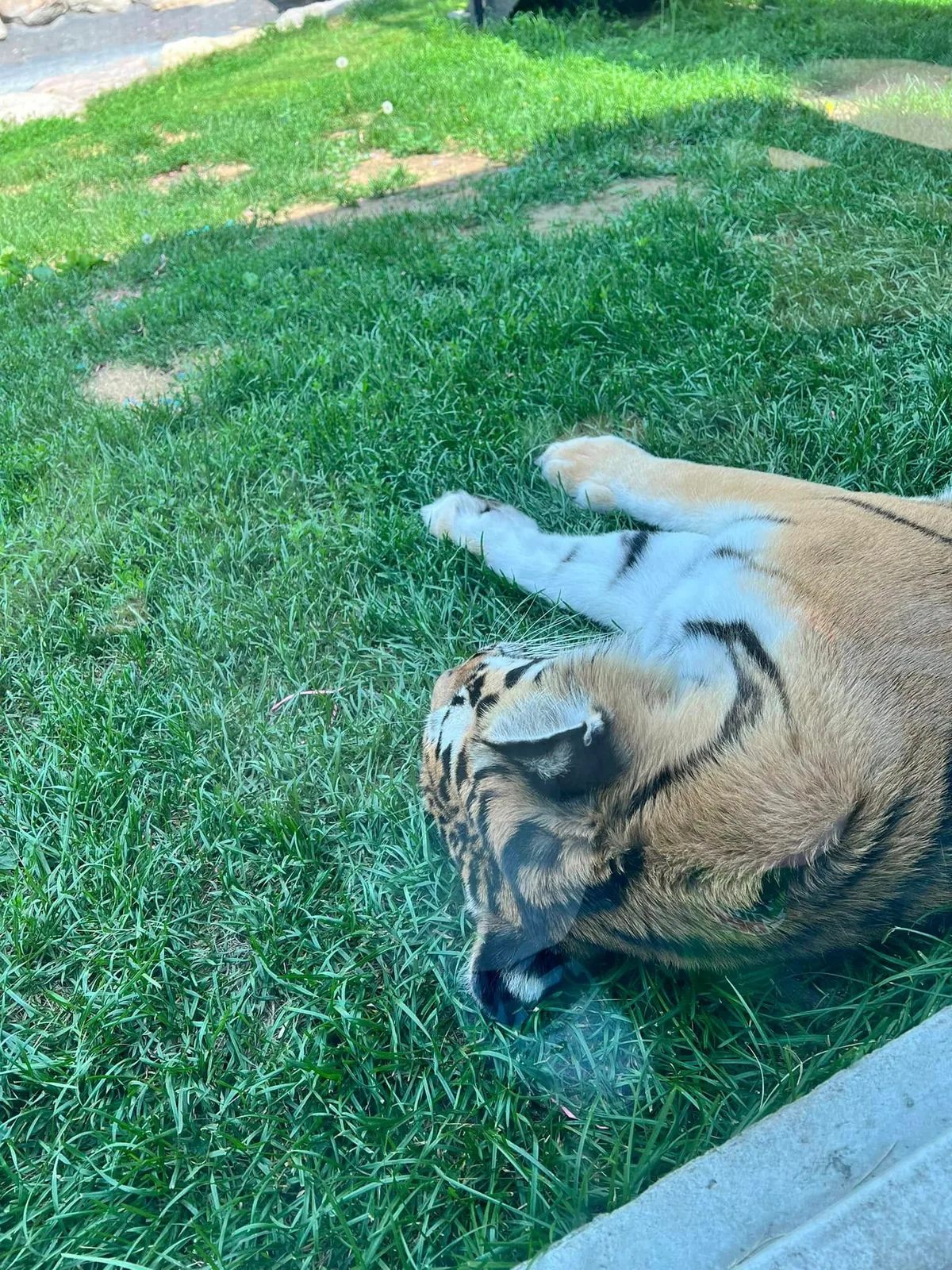
The tiger may be tucked into a cooler part of the habitat.
The giraffe may be standing quietly instead of walking across the yard.
At first, visitors may wonder why the animals are not more active. Some may even feel disappointed if a favorite animal is resting instead of moving around.
But there is a simple reason for the slower pace.
Summer changes the rhythm of the zoo.
Just like people slow down when the heat rises, animals often do the same. They look for shade, water, indoor spaces, or quiet resting areas. That does not mean the visit is less exciting. It means the animals are making choices that help them stay comfortable.
That slower rhythm gives visitors a chance to look a little closer.
Why Animals Slow Down in Summer
Animals do not experience a zoo day the same way guests do.
Visitors may arrive ready to explore every pathway, see every habitat, and take every photo. Animals, however, move through the day based on their needs, instincts, habits, and comfort.
In warm weather, many animals naturally reduce their activity during the hottest parts of the day. A big cat resting in the shade is not being boring. A bear cooling off near water is not avoiding visitors. A bird sitting quietly on a branch may simply be conserving energy.
These are normal behaviors.
A resting animal can still teach us something.
A yawn, a stretch, a flick of the tail, a slow walk toward the shade, or a quiet moment near the water can reveal how animals use their space. When visitors slow down enough to notice these details, the zoo becomes more than a place to see animals. It becomes a place to understand them.
That is one of the most important lessons a zoo can offer.
Animals are not performers. They are living creatures with preferences, needs, and natural behaviors. A meaningful zoo visit respects that.
How Zoos Help Animals Stay Cool
Modern zoo habitats are designed to give animals choices.
During the summer, those choices matter even more. Many habitats include shaded areas, pools, misters, fans, indoor access, mud wallows, climbing structures, resting spots, and water features. These elements help animals decide where they want to be throughout the day.
Some animals may choose to spend more time indoors when it is hot. Others may rest under trees, stand near water, dig into cooler ground, or move to shaded platforms. Some may become more active in the morning or later in the day when temperatures are lower.
Zoos may also use cooling enrichment during warm weather.
That might include frozen treats, ice blocks, sprinklers, pools, puzzle feeders, scent trails, or chilled food items. These activities can encourage natural behaviors while also helping animals stay cool and engaged.
To visitors, enrichment may look like play.
To animal care teams, it is thoughtful planning.
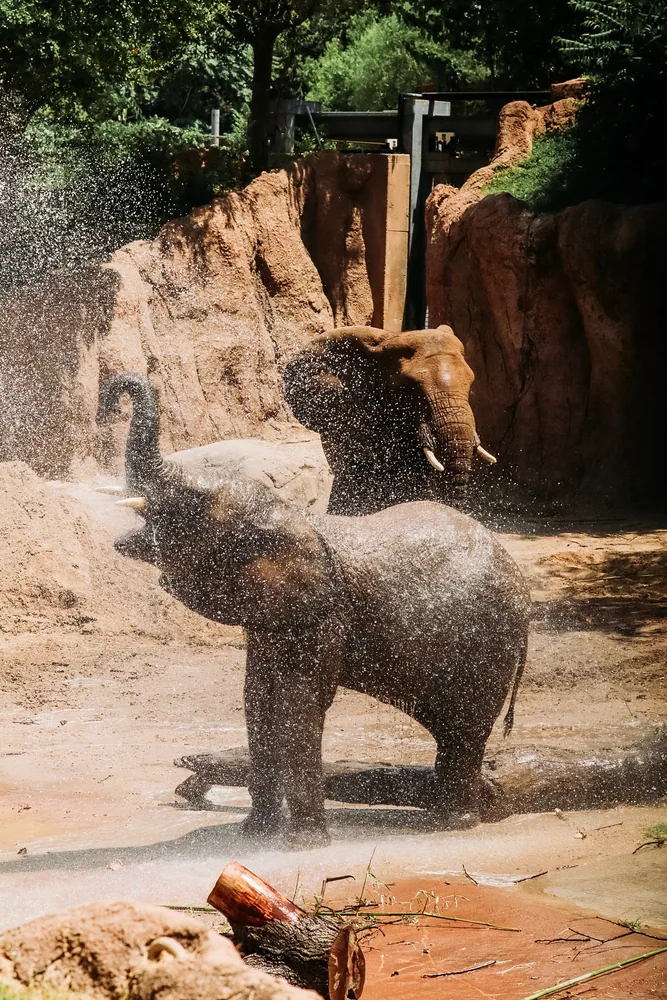
A tiger exploring a frozen treat, an elephant using water, an otter splashing between rest breaks, or a primate working through a puzzle feeder all show how care teams create opportunities for animals to interact with their environment.
That is why every zoo visit is different.
One day an animal may be active and easy to see. Another day that same animal may be resting in a shaded corner. Both moments are part of real animal behavior.
Tips for a Better Summer Zoo Visit
A summer zoo visit is often better when families plan for the heat and allow the day to move at a slower pace.
Arriving earlier in the day can help. Mornings are usually cooler, and some animals may be more active before the hottest part of the afternoon. Comfortable shoes also matter because zoo days usually involve more walking than expected.
Water is important too. Families should take breaks, find shade, and give themselves time to rest. A zoo day does not need to be rushed to be memorable.
Reading signs can also make the visit more meaningful. Signs often explain where an animal is from, what it eats, how it behaves, and what challenges the species may face in the wild. Keeper talks can add even more insight, especially when they explain animal behavior, enrichment, or care routines.
It can also help to ask staff when certain animals are usually more active. While there are no guarantees, zoo staff often know helpful patterns, feeding times, training demonstrations, or scheduled talks that can improve the visit.
The best summer zoo tip is simple: be patient.
Sometimes the smallest moments become the best memories.
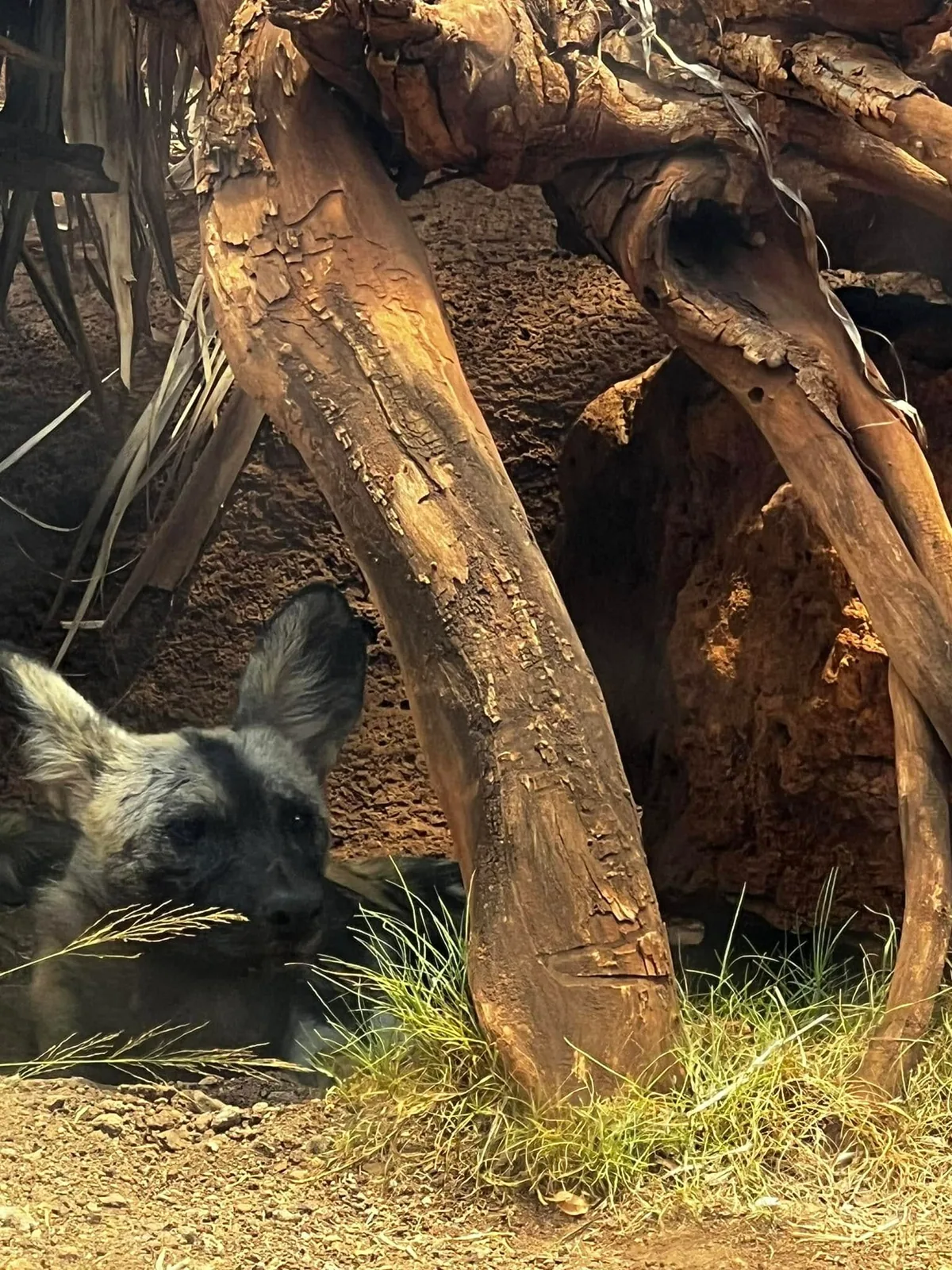
Family Moments Worth Noticing
A slower zoo day can be a wonderful opportunity for families.
Instead of focusing only on how many animals are seen, families can turn the visit into a discovery experience. Children can look for animal behaviors, habitat features, colors, sounds, tracks, feathers, or movement.
They can notice where animals choose to rest.
They can look for shade, water, climbing areas, and enrichment items.
They can listen for bird calls or watch how animals respond to their surroundings.
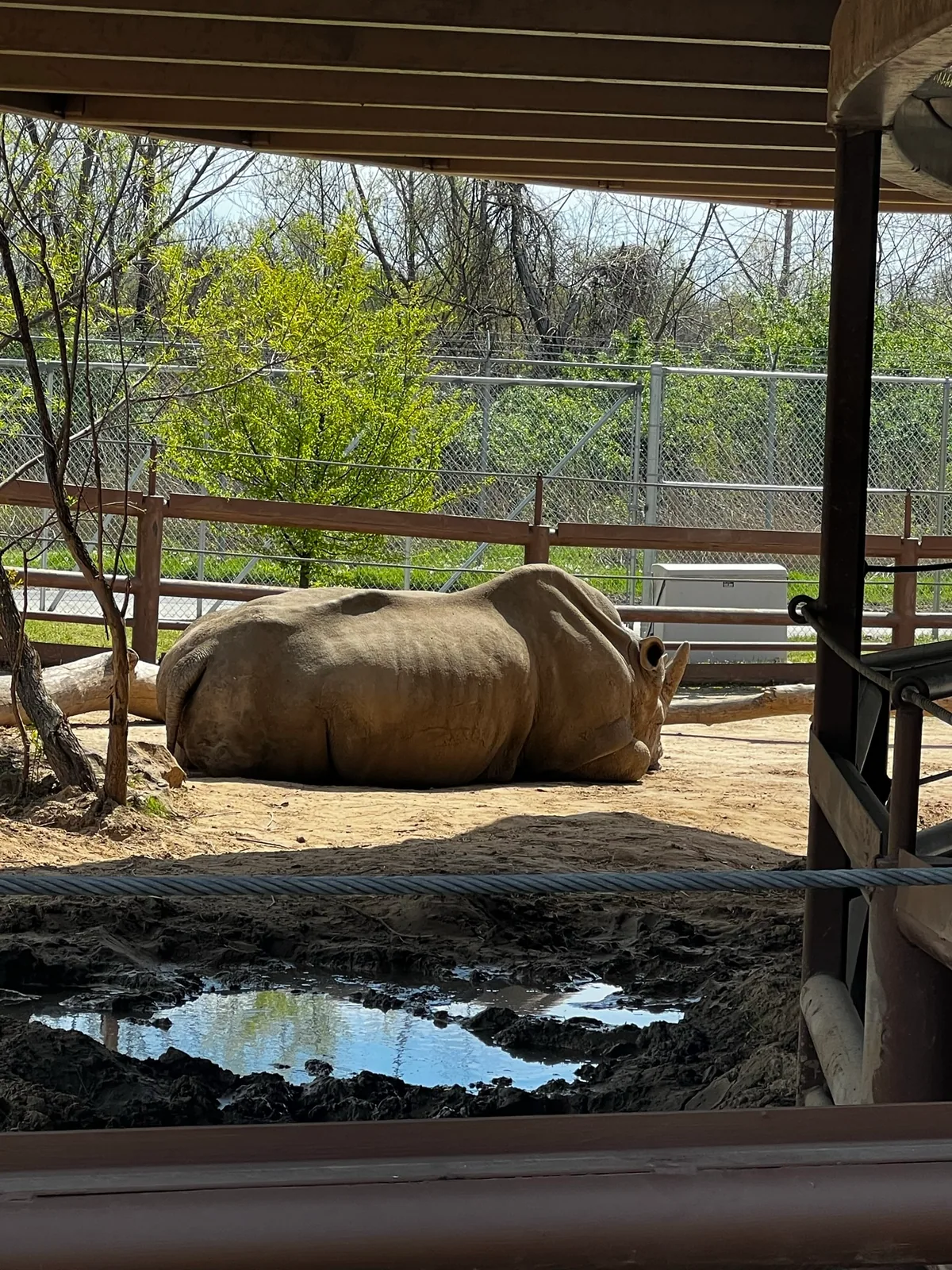
A giraffe reaching for leaves, a rhino standing near a shaded area, an elephant using water, or a sea lion gliding through a pool can all become moments worth remembering.
Families can also take time to talk about what they see.
Why do you think that animal is resting?
Where would you go if you were hot?
What do you notice in the habitat?
What choices does the animal have?
Questions like these help children understand that animals have needs and preferences. They also help turn a simple zoo walk into a learning moment.
And sometimes, slowing down is exactly what makes the day special.
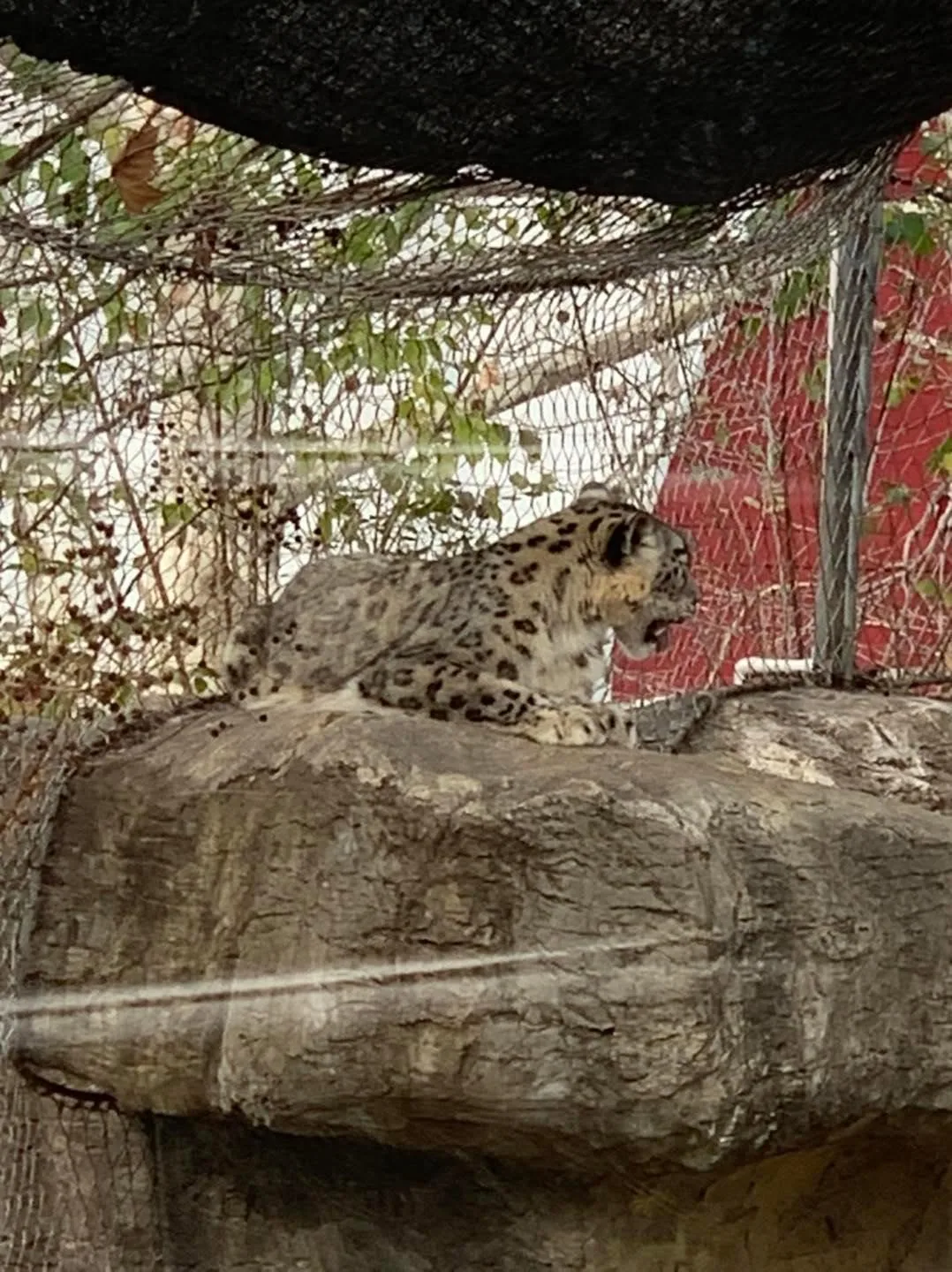
Finding Meaning in the Slow Moments
Summer zoo visits may not always be full of constant movement, but they are still full of discovery.
The quiet moments matter.
A lion resting in the shade tells a story about comfort and instinct.
A bear near the water shows how animals use their habitat.
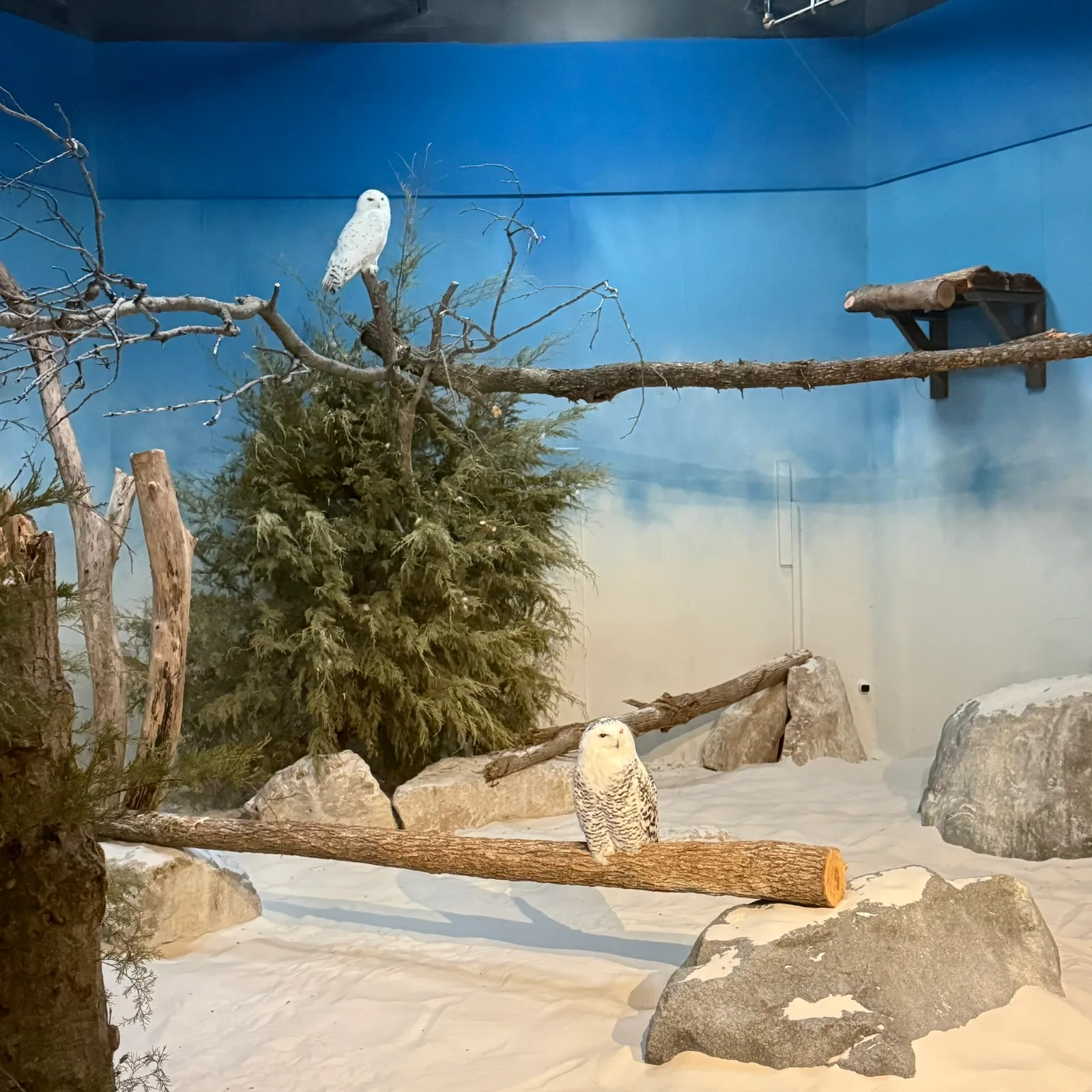
A bird sitting still on a branch reminds us that not every meaningful moment has to be loud or active.
When visitors slow down, they begin to see the zoo differently. They notice care. They notice choices. They notice the small details that are easy to miss when rushing from one habitat to the next.
That is the beauty of a summer zoo day.
Even when the zoo slows down, there is still something worth seeing.
Even in the shade.
Even in the heat.
Even in the quiet moments.
At Zoos4You, we believe every zoo visit has something worth noticing. Sometimes the best memories come from the moments we almost walked past.
So bring your water, wear comfortable shoes, enjoy your Icee, and let the animals set the pace.
Explore More. Roar More. Smile More.
Sources
Association of Zoos and Aquariums. “Accreditation.” Association of Zoos and Aquariums, www.aza.org/accreditation.
Association of Zoos and Aquariums. “Animal Care and Management.” Association of Zoos and Aquariums, www.aza.org/animal-care-management.
Association of Zoos and Aquariums. “Animal Care Manuals.” Association of Zoos and Aquariums, www.aza.org/animal-care-manuals.
Oklahoma City Zoo. “Summer Animal Enrichment.” Oklahoma City Zoo, www.okczoo.org/our-events/event/6224159.
Smithsonian’s National Zoo and Conservation Biology Institute. “How the Zoo Keeps Animals Healthy in Extreme Heat.” Smithsonian’s National Zoo and Conservation Biology Institute, nationalzoo.si.edu/animals/animal-care-hot-weather.
Smithsonian’s National Zoo and Conservation Biology Institute. “Hot Weather Statement.” Smithsonian’s National Zoo and Conservation Biology Institute, nationalzoo.si.edu/animals/news/hot-weather-statement.
Smithsonian’s National Zoo and Conservation Biology Institute. “Animal Enrichment.” Smithsonian’s National Zoo and Conservation Biology Institute, nationalzoo.si.edu/animals/animal-enrichment.
Share this article
Help someone else find this post
Share it to your favorite platform, email it directly, or copy the link for your next post or message.
Zoos4You offer
Get The Animal Adventure Companion
A beautifully designed guide for families, animal lovers, and curious travelers who want more from each visit. Inside, readers will find thoughtful planning tips, family friendly ideas, practical guidance, and elegant pages that help make zoo, aquarium, petting zoo, and wildlife attraction outings smoother, richer, and more memorable.
- Plan outings that feel smoother, easier, and more enjoyable
- Make the most of every visit with thoughtful ideas and simple prep help
- Keep track of favorite stops, special moments, and must see animals
- Use one beautiful guide for zoos, aquariums, petting zoos, and more
Reader reflection
What is one way you could slow down and notice more during your next summer zoo visit?
Think about how heat can change animal behavior. Choose one idea from the article, such as visiting earlier, taking more breaks, watching for shade and water, or being patient when animals are resting.
Public reading stays open. Private reflection requires a member account so you can save your thinking and come back to it later.