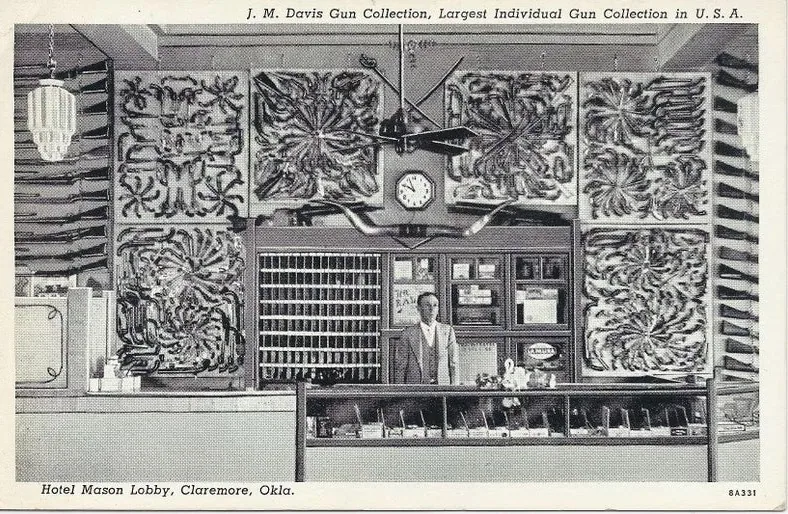
The Life and Legacy of J. M. Davis: Founder of the JM Davis Arms & Historical Museum
Discover J. M. Davis's impact on Claremore, Oklahoma, and learn why his collection remains at the J. M. Davis Arms and Historical Museum.
J. M. Davis and His Life in Claremore
Who was J. M. Davis? He was a businessman, civic leader, collector, and community builder whose vision led to the creation of the J. M. Davis Arms and Historical Museum in Claremore, Oklahoma. His story extends beyond a remarkable collection; it is about a man whose work shaped Claremore and whose legacy defines one of Oklahoma’s most distinctive museums.
Born on June 27, 1887, John Monroe Davis became known for much more than the collection that would bear his name. He was a hotel owner, builder, public servant, and a citizen deeply invested in Claremore's future. The museum exists today because J. M. Davis believed in preserving and sharing history with the community that shaped it.
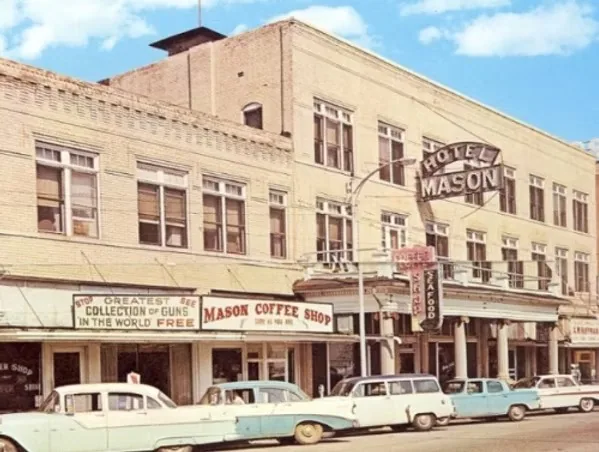
Davis's connection to Claremore began in 1917 when he and his wife, Addie, purchased the Mason Hotel, a property that became central to their business and community life. In 1919, they built a home in Claremore and took over hotel management, further rooting themselves in the city.
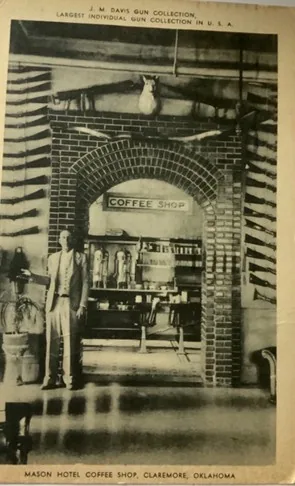
The Mason Hotel evolved into a landmark in downtown Claremore, serving as a gathering place for travelers and residents alike. It also became one of the earliest public venues for Davis's growing collection, long before a dedicated museum building existed, associating him with the objects he collected and the stories they represented.
How J. M. Davis Helped Shape Claremore, Oklahoma
J. M. Davis was not just a collector; he played a pivotal role in shaping Claremore through practical and lasting contributions. He served on the City Council for eight years and was mayor from 1921 to 1923 and again from 1933 to 1943. His leadership coincided with significant periods of change and growth in Claremore.
Beyond public office, Davis addressed housing needs by building rental homes for the growing population. His influence extended through civic responsibility, evident in the city’s development and the lives of its residents. Stories from the Great Depression highlight his compassion; he reportedly did not evict struggling tenants and accepted items like old guns as rent when cash was scarce. These anecdotes reflect a man whose relationship with Claremore was deeply personal.
The Growth of the J. M. Davis Collection
Though best known as a collector, J. M. Davis's collection began as a personal interest rather than a museum project. By 1929, he owned 99 guns, and in the early 1930s, it expanded significantly through major acquisitions, including the U.S. Bessette collection in 1930 and the Smith collection in Vinita in 1932.
As time passed, the collection continued to grow through purchases, trades, and contributions from veterans and gunsmiths. It became renowned not only for its size but also for its variety and historical significance.
Today, the J. M. Davis Arms and Historical Museum showcases approximately 60,000 artifacts, including firearms, beer steins, saddles, and musical instruments. This diverse range illustrates that the museum is more than just a firearms museum; it reflects J. M. Davis's broad interests and offers visitors a comprehensive view of craftsmanship, culture, and everyday life throughout history.
Why J. M. Davis Wanted the Collection to Stay in Claremore
A crucial aspect of J. M. Davis's museum history is his desire for the collection to remain in Claremore. As the collection gained significance, it could have been sold or moved elsewhere, but Davis took steps to protect it and keep it tied to the city where he built his life.
In 1965, he established the J. M. Davis Memorial Foundation, creating a path for preserving the collection as a public resource. This led to the formation of the J. M. Davis Memorial Commission and funding to purchase the city block where the museum now stands, along with plans for a 40,000 square foot museum building.
This decision reveals much about Davis himself. Claremore was not just where he lived; it was where he built his business, served in public office, and contributed to the community. Keeping the collection in Claremore meant preserving his life's work in the place central to his story.
The Opening of the J. M. Davis Arms and Historical Museum
On June 27, 1969, J. M. Davis’s eighty-second birthday, the museum opened to the public. What began as a private collection became a permanent public institution in Claremore, realizing a vision developed over decades.
The museum provided Claremore with a unique cultural landmark, allowing visitors to experience not only a world-famous collection but also a broader historical narrative shaped by one man’s lifelong curiosity. It transformed a private passion into a public gift, securing a lasting place for the museum in Oklahoma's history.
The Lasting Legacy of J. M. Davis
The City of Claremore honored J. M. Davis on June 27, 1972, his eighty-fifth birthday, by renaming a street J. M. Davis Boulevard. This tribute recognized his influence across business, public service, housing, and history preservation.
J. M. Davis passed away on February 7, 1973, but his legacy remains intertwined with Claremore. The museum continues to welcome visitors, offering insights into the collection and the man behind it. His name is woven into the city’s story because he did more than collect artifacts; he helped shape the community that became their home.
Why the Story of J. M. Davis Still Matters
Understanding the J. M. Davis Arms and Historical Museum requires insight into J. M. Davis himself. He was a collector, but also a businessman, builder, civic leader, and community figure who believed in preserving and sharing history in Claremore, Oklahoma.
This belief continues to define the museum today. J. M. Davis did not merely gather historical objects; he created a lasting gift for Claremore, helping to build one of the city’s most distinctive institutions. His story remains at the heart of the museum, reminding visitors that behind every collection is a human story, and behind this museum is the story of a man who believed Claremore was the right place for his life's work.
Sources
J. M. Davis Arms and Historical : “About the Museum.” https://www.thegunmuseum.com/about
J. M. Davis Arms and Historical Museum: “Home.” https://www.thegunmuseum.com/
Minuteman University: “J.M. Davis.” https://minutemanuniversity.com/j-m-davis/
American Heritage: “J. M. Davis Arms and Historical Museum.” https://www.americanheritage.com/content/jm-davis-arms-and-historical-museum
Green Country Oklahoma: “J. M. Davis Arms & Historical Museum.” https://www.greencountryok.com/listing/j-m-davis-arms-%26-historical-museum/79/
Share this article
Help someone else find this post
Share it to your favorite platform, email it directly, or copy the link for your next post or message.
Reader reflection
How did J. M. Davis help shape Claremore as well as the museum?
Show readers how J. M. Davis influenced Claremore through business, public service, and historical preservation, and why his story still matters today.
Public reading stays open. Private reflection requires a member account so you can save your thinking and come back to it later.