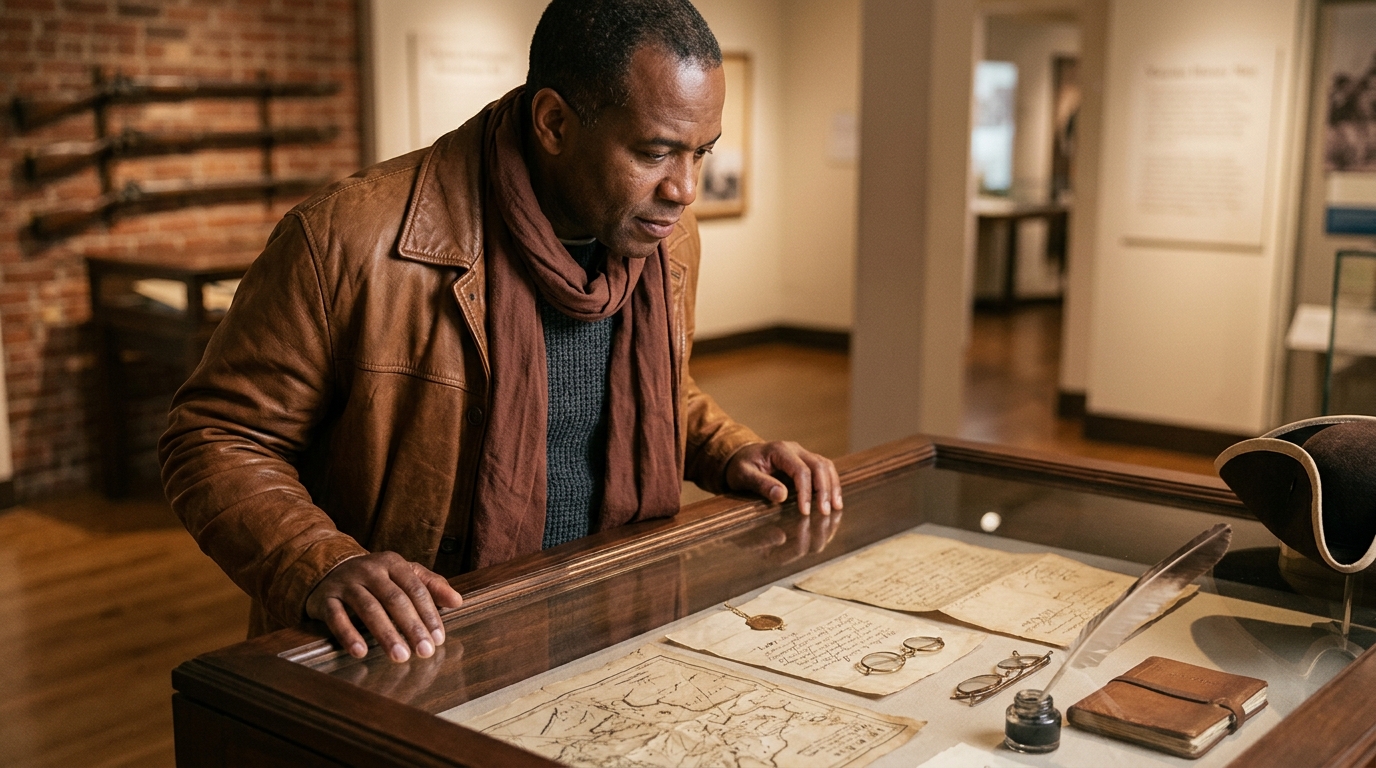
James Armistead Lafayette: The Spy Who Helped Win Yorktown
Discover the story of James Armistead Lafayette, an enslaved Patriot spy whose intelligence work helped shape the victory at Yorktown.
An America 250 Unsung Hero Story from the Shadows of the Revolution
The War Behind the Battlefield
When we picture the American Revolution, we often imagine the sound of muskets, the smoke of cannons, and soldiers standing in long lines across open fields. Those images are part of the story, but they are not the whole story.
Some battles were fought far from the front line.
Some were fought with patience, memory, silence, and risk.
James Lafayette, often known today as James Armistead Lafayette, served in that quieter kind of war. He was not leading a charge. He was not commanding troops. He was not a famous founder whose words filled public documents.
He was gathering information.
During the Revolutionary War, information could be as powerful as a musket. A commander who knew where the enemy planned to move, how many men they had, or whether they intended to stay or retreat could make better decisions. Armies did not win by courage alone. They needed timing, strategy, and intelligence.
James Lafayette helped provide that intelligence.
Born enslaved in Virginia around 1748, James entered the war from a position that reveals one of the deepest contradictions of the American Revolution. He served a nation speaking boldly about liberty while he himself was not free. Yet he stepped into danger, moved between enemy lines, and helped the American cause at a time when the outcome of the war was far from certain.
His story reminds us that America’s founding was shaped not only by the people whose names appear in textbooks, but also by men and women who served quietly, bravely, and at great personal risk.
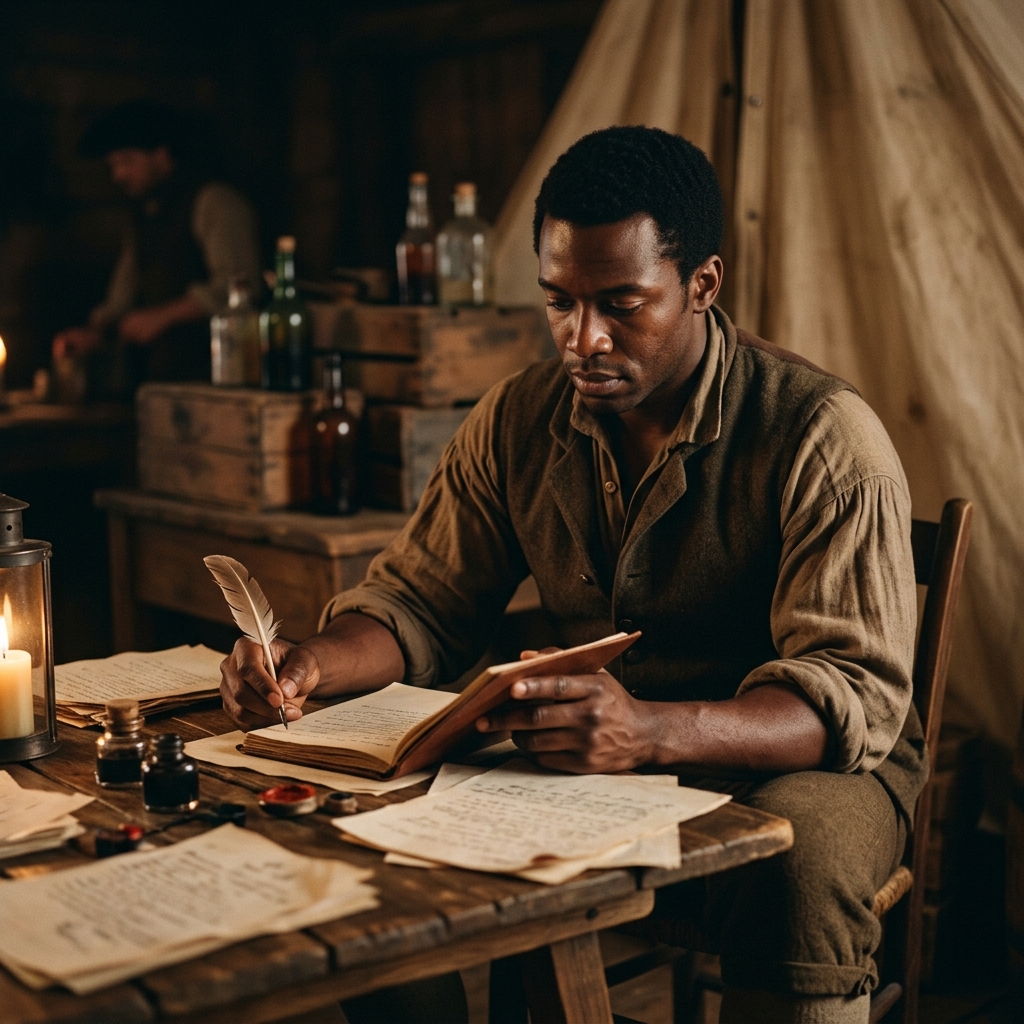
Who Was James Lafayette?
James Lafayette was born into slavery, likely in New Kent County, Virginia. During his lifetime, records generally identified him as James Lafayette or simply James. The name “James Armistead Lafayette” became common later, but it is important to understand that the name most closely connected to his own life and freedom was Lafayette.
Before the war placed him near history’s turning point, James was enslaved by William Armistead. In the spring of 1781, British forces were active in Virginia, and the Continental Army needed reliable information about enemy movements, plans, and strength.
James received permission from Armistead to serve with American forces. That permission opened the door to one of the most dangerous and important roles of the Revolution: espionage.
He began working with the Marquis de Lafayette, the young French officer who commanded Continental forces in Virginia. Lafayette needed eyes and ears near the British. James could move in spaces where many others could not. He could pass as a servant, laborer, or courier, and the British often underestimated what an enslaved Black man could hear, understand, remember, and report.
That underestimation became part of his strength.
James entered British spaces while secretly helping the American side. He listened. He watched. He carried messages. He gathered details that could have cost him his life if discovered.
His courage did not look like a battlefield charge. It looked like walking into danger while pretending not to be dangerous at all.
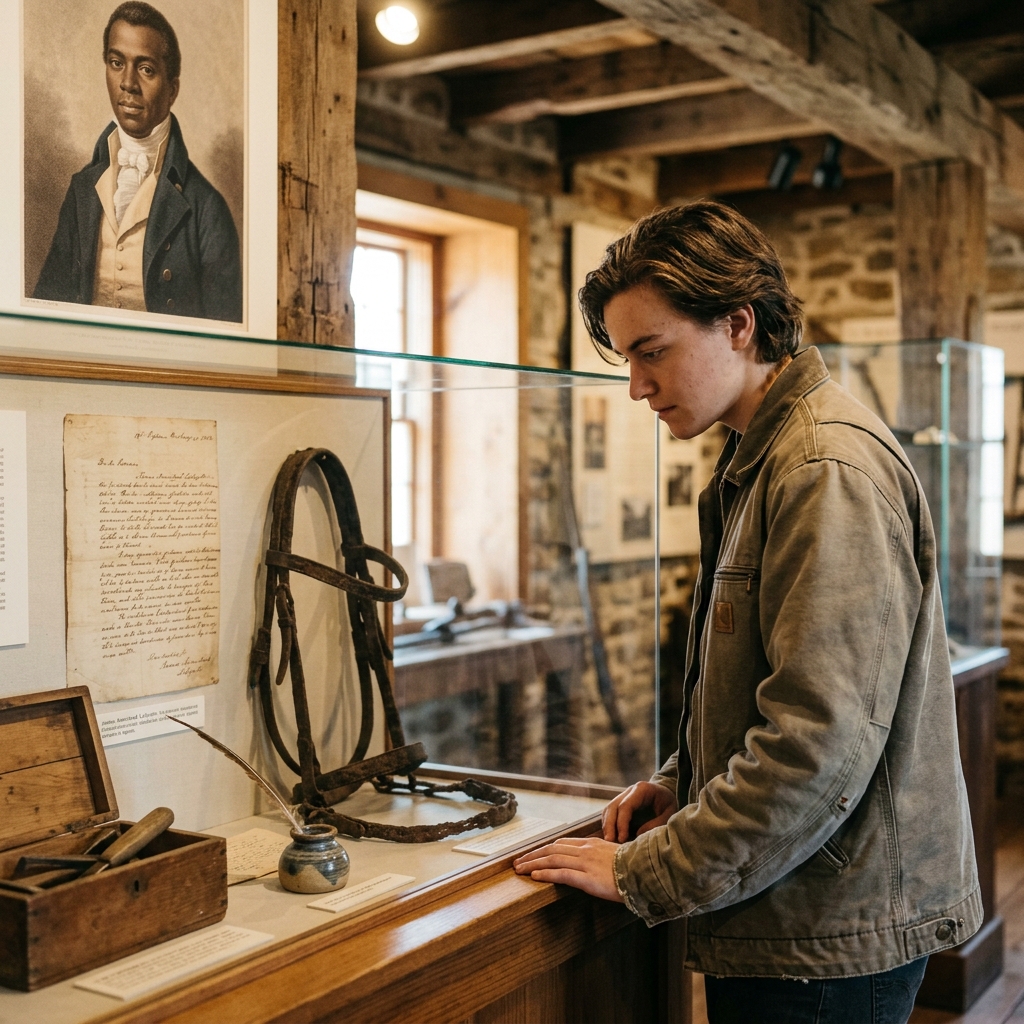
The Spy Who Moved Between Two Worlds
James Lafayette served as a double agent. To the British, he appeared to be someone willing to spy on the Americans. In reality, he was passing information back to Lafayette and the Patriot cause.
That kind of work required more than bravery. It required discipline. It required patience. It required a steady mind under pressure. One wrong word, one wrong look, or one discovered message could have ended his mission and his life.
At British headquarters, James was able to overhear conversations and observe activity. Some accounts describe him waiting tables while British officers discussed their plans. In those moments, he was close to power, but hidden in plain sight.
That is one of the most striking parts of his story.
The people around him did not fully see him. They did not recognize the danger he represented to their plans. They believed he was merely serving, listening without consequence. Instead, James was gathering the kind of information that could help commanders understand what the British intended to do next.
He also carried secret messages between Lafayette and other agents behind British lines. That work placed him in constant danger. If those papers had been found on him, there would have been little mercy.
Still, he continued.
His service shows us that courage is not always loud. Sometimes courage is quiet enough to pass unnoticed. Sometimes it moves through a room, remembers every word, and waits for the right moment to carry the truth back across the lines.
Yorktown and the Power of Intelligence
By 1781, the war had dragged on for years. The American cause had survived hardship, defeat, hunger, and uncertainty. Then the focus shifted to Virginia, where British General Lord Cornwallis and his army took position at Yorktown.
Yorktown became one of the most important moments of the American Revolution.
American and French forces worked together to trap Cornwallis. The French navy helped block escape by sea, while the combined armies tightened their hold by land. The surrender at Yorktown on October 19, 1781, did not immediately end every part of the war, but it ended major combat operations and marked the beginning of the end for British hopes of victory.
James Lafayette’s intelligence helped American and French commanders better understand British plans during this campaign.
One important piece of information involved Cornwallis’s intention to remain at Yorktown. Knowing whether the British planned to stay, move, or escape mattered greatly. In war, a piece of information delivered at the right time can shape decisions that change the course of events.
James did not win Yorktown by himself. No honest history should claim that. Victory came through many people and many moving parts: soldiers, sailors, commanders, allies, supply lines, strategy, and sacrifice.
But James Lafayette played a meaningful role.
He served in a dangerous position where failure could have cost him everything. His reports helped the Patriot cause. His work reminds us that wars are not only decided by the people standing in front of the cannon smoke. They are also shaped by those who gather the information that allows others to act.
Freedom After Service
After the war, James Lafayette faced a painful reality.
He had helped a nation fight for independence, but he was not yet free.
That contradiction is hard to ignore, and it should not be ignored. James had risked his life for the American cause. He had served with courage, intelligence, and loyalty. Yet when the fighting ended, he returned to life as an enslaved man.
The Marquis de Lafayette did not forget him. In 1784, Lafayette wrote a statement recognizing James’s service. He described the intelligence James had gathered as faithfully delivered and important to the American cause. With that support, James petitioned the Virginia General Assembly for his freedom.
His first effort did not succeed.
He had to try again.
In 1786, James submitted another petition. This time, the effort moved forward. Virginia passed legislation freeing him from slavery in recognition of his Revolutionary War service, with the process completed in early 1787.
After gaining his freedom, James took the surname Lafayette in honor of the Marquis de Lafayette.
That choice says something powerful. It was not only a name. It was a reminder of service, recognition, and the bond between a man who had commanded in the war and the spy who had risked his life to help him.
James later lived as a free man in Virginia. Years after the war, he received a pension for his Revolutionary service. When the Marquis de Lafayette returned to America in the 1820s, accounts say he recognized James and embraced him during a visit to Richmond.
It is a small moment, but a meaningful one.
A man who had once moved through history unseen was seen.
Why His Story Belongs in America 250
America’s 250th birthday gives us a chance to remember more than the familiar names. It gives us a chance to look again at the people who carried the Revolution in ways that were quiet, dangerous, and easily forgotten.
James Lafayette’s story belongs in that remembrance.
At the J. M. Davis Arms & Historical Museum, we know that history is not only about objects. A firearm, sword, uniform, or document matters because of the people connected to it. Artifacts open the door, but human stories give them meaning.
James Lafayette’s weapon was not a musket.
His weapon was information.
He used his mind, his courage, and his ability to move between worlds to serve a cause larger than himself. He did so while living under a system that denied him the freedom the Revolution claimed to defend.
That does not make his story less patriotic. It makes it more honest.
America’s story has always included courage and contradiction. It includes bold declarations and unfinished promises. It includes famous leaders and forgotten servants. It includes men like James Lafayette, who risked his life for a country that still had to be pushed to recognize his own liberty.
As we look toward America 250, we should remember the generals, founders, and battlefields. But we should also remember the people who served in the shadows.
James Lafayette listened when others ignored him.
He carried secrets when discovery could have destroyed him.
He helped shape the intelligence that supported victory at Yorktown.
And after the war, he fought one more battle: the battle for his own freedom.
His name deserves to be remembered.
Sources
Salmon, John, and Dictionary of Virginia Biography. “James Lafayette (ca. 1748–1830).” Encyclopedia Virginia, Virginia Humanities, 7 Dec. 2020.
“James Armistead Lafayette.” American Battlefield Trust.
“Yorktown.” American Battlefield Trust.
“Marquis de Lafayette.” American Battlefield Trust.
Share this article
Help someone else find this post
Share it to your favorite platform, email it directly, or copy the link for your next post or message.
Reader reflection
What kind of courage do you think is harder to recognize: the courage shown on the battlefield, or the courage shown quietly behind the scenes?
James Armistead Lafayette’s story reminds us that some heroes serve in ways that are not always seen or celebrated. Reflect on a person from history, your family, or your community whose quiet courage helped make a difference.
Public reading stays open. Private reflection requires a member account so you can save your thinking and come back to it later.