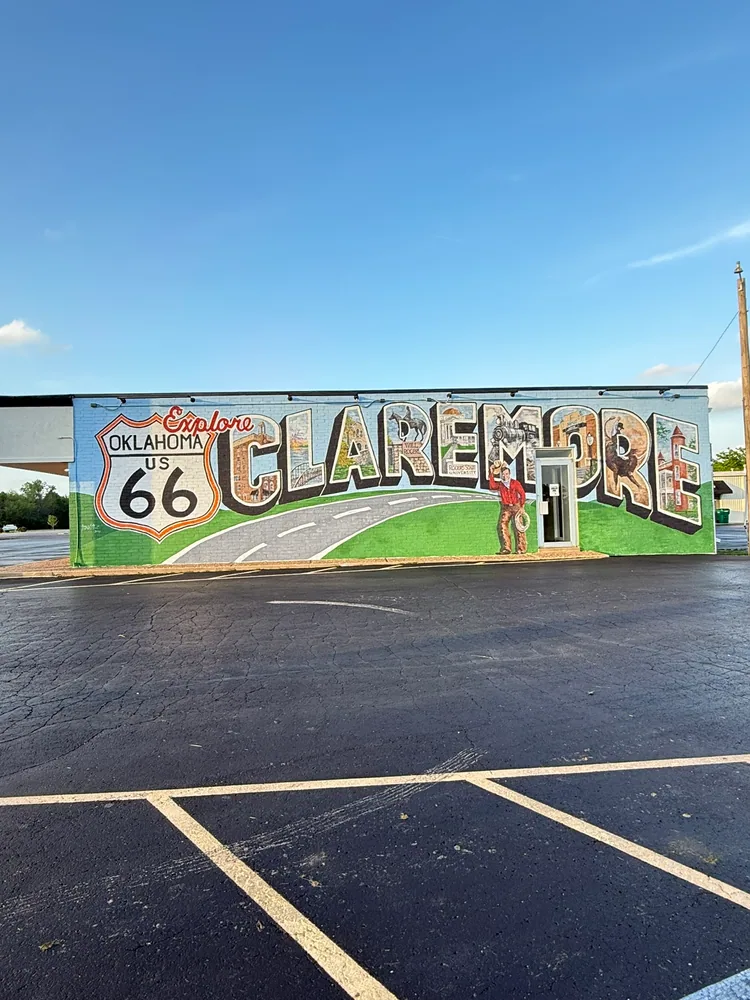
Claremore History: How the J. M. Davis Museum Fits into Claremore’s Story
Explore Claremore history, from Osage roots and radium water to Clem Rogers, Will Rogers, Route 66, and the J. M. Davis Arms and Historical Museum.
Claremore's Story and the Museum's Place in It
When people search for Claremore history, they are usually looking for more than dates and landmarks. They want to understand how Claremore became what it is today, why it matters in Oklahoma, and what makes it stand out among historic communities along Route 66. The answer is found in layers of history that stretch from Osage roots and Cherokee influence to the radium water boom, Route 66 tourism, and the museums that continue to preserve the city’s identity. The J. M. Davis Arms and Historical Museum stands as one of the clearest examples of how Claremore protects and shares that story.
The Early Roots of Claremore
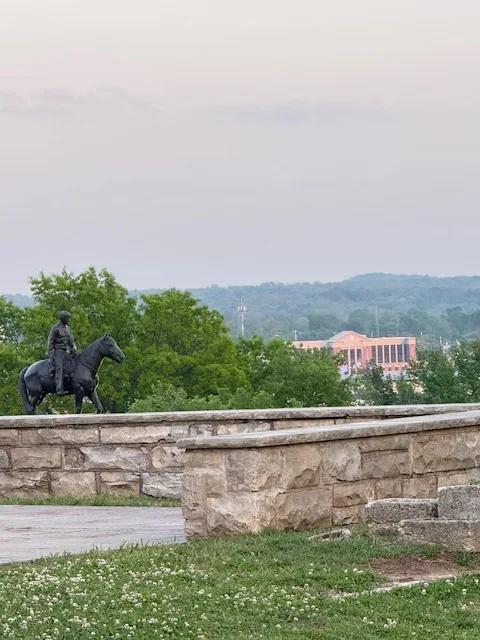
Claremore’s story begins long before statehood and long before the rise of Route 66. The city’s name is tied to Chief Clermont, an Osage leader whose name was later recorded as Claremore when the post office was established in 1874. That spelling stayed, and over time the town grew into one of the most recognizable communities in northeastern Oklahoma. Claremore’s identity was shaped first by Native history, then by settlement, commerce, and travel.
The area also carries the memory of the Battle of Claremore Mound, sometimes called the Battle of the Strawberry Moon. This conflict, tied to Osage and Cherokee history, gives Claremore an even deeper historical foundation. Later, after Indian Removal, the region became part of the Cherokee Nation’s Cooweescoowee District, linking the city to a major chapter in the history of Indian Territory and Oklahoma.
Clem Rogers and Claremore’s Place in Oklahoma History
Claremore’s importance grew even more as Oklahoma developed. When Oklahoma reached statehood in 1907, Claremore became the county seat of Rogers County. The county itself was named for Clement Vann Rogers, often known as Clem Rogers, an influential Cherokee rancher, judge, businessman, and civic leader. His name is woven directly into the region’s identity.
Clem Rogers was not just a local figure. He played a meaningful role in the transition from Indian Territory to the State of Oklahoma. He was a delegate to the Oklahoma Constitutional Convention and helped shape the legal and civic future of the state. His prominence in the region was so strong that Rogers County was named in his honor while he was still living, which was a rare distinction. He also helped establish the commercial and civic foundations of the Claremore area, making him one of the men most closely tied to the city’s growth and standing.
Will Rogers and Claremore’s National Identity
That same family connection helped give Claremore one of its most famous historical links. Clem Rogers was the father of Will Rogers, the humorist, performer, and commentator who became one of Oklahoma’s best known cultural figures. Will Rogers’s ties to Claremore remain central to the city’s identity and national recognition. His legacy helped place Claremore on the map far beyond northeastern Oklahoma.
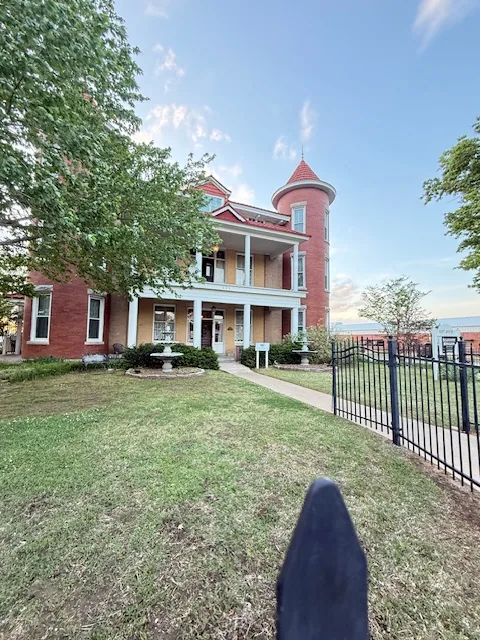
The Will Rogers Memorial Museum, which opened in 1938, preserves that story and remains one of Claremore’s most important historical destinations. Built on land connected to Will Rogers, the museum honors his life, career, and influence. For many visitors, Will Rogers is one of the first names they associate with Claremore. That connection gives the city an added layer of cultural significance and helps explain why Claremore has long had a strong commitment to preserving its notable people and stories.
The Radium Water Boom Changed Claremore
One of the most important chapters in Claremore history came in 1903 with the discovery of radium water. What began as a well turned into a major opportunity for the city. Visitors came seeking mineral baths that were believed to offer healing benefits, and Claremore quickly developed into a health spa destination. Long before the city became associated with Route 66 travel, it had already learned how to welcome visitors, build hospitality businesses, and develop a destination identity.
The radium water era mattered because it changed Claremore’s public image. It was no longer simply a local town. It became a place people traveled to on purpose. Bathhouses, hotels, and businesses grew around that reputation. This period helped create the hospitality culture that would later serve Claremore well during the golden age of road travel.
Route 66 and Claremore’s Rise as a Travel Destination
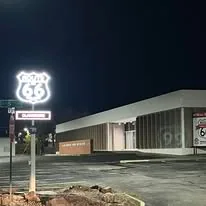
When Route 66 was established in 1926, Claremore became part of one of the most famous highways in the country. The original alignment ran directly past the Mason Hotel, putting the city in an ideal position to capture the attention of travelers. In 1958, the route shifted one block east to what is now Lynn Riggs Boulevard, but the Route 66 connection has remained central to Claremore’s tourism story.
This mattered because Route 66 did more than move people through town. It made Claremore part of a larger American story of road travel, family trips, roadside stops, and memorable destinations. The city’s earlier experience as a spa town helped prepare it for this next chapter. Claremore already understood what it meant to welcome travelers. Route 66 simply expanded the stage.
Why Claremore Became a Museum City
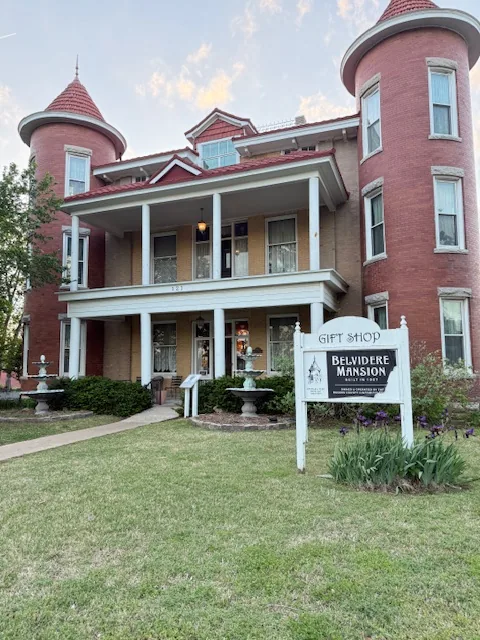
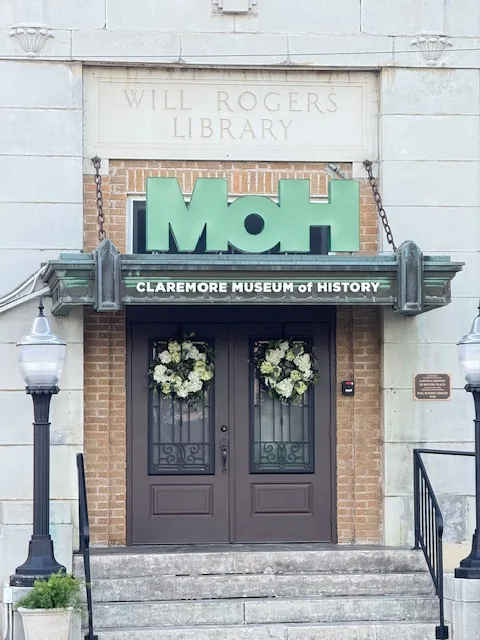
Claremore is often known as a museum city, and that identity is supported by an impressive concentration of historical institutions. In addition to the J. M. Davis Arms and Historical Museum, the city is home to the Will Rogers Memorial Museum, the Claremore Museum of History, the Oklahoma Military Academy Museum, and the Belvidere Mansion. Together, these places give Claremore a cultural identity that is unusually rich for a city of its size.
The Claremore Museum of History helps tell the broader city story, including the radium water boom, the legacy of Lynn Riggs, and the lives of other notable Claremore figures. The Oklahoma Military Academy Museum preserves the history of the academy that once occupied what is now Rogers State University and reflects another important chapter in local life. The Belvidere Mansion, built in 1907, adds still another layer by showing visitors the architectural and social history of early Claremore.
This network of museums says something important about Claremore. The city has chosen to preserve its story rather than let it fade. History here is not hidden away. It is part of the city’s identity and part of the visitor experience.
J. M. Davis and his Connection to Claremore
That local commitment to preservation is exactly why the story of J. M. Davis fits so naturally in Claremore. Davis moved to the city in 1917 and purchased the Mason Hotel with his wife, Addie. Over time, his growing firearms collection began appearing on the walls of the hotel lobby, hallways, and coffee shop. By 1929, the collection had become part of the hotel experience itself and a draw for travelers.
This is an important part of the museum’s story because it began in a living, working place at the center of Claremore hospitality. The Mason Hotel was not just a building. It was part of the city’s visitor life. Travelers stopping in Claremore encountered something unexpected: a remarkable collection and a man who used it to spark conversations, share stories, and build connections with people from all over the country. Davis was known for being at the front desk, and his collection became part of what made Claremore memorable.
From the Mason Hotel to a Permanent Museum
As the collection expanded, it eventually outgrew the hotel. By the mid 1960s, J. M. Davis and community leaders worked to ensure the collection would remain in Claremore permanently. In 1965, the J. M. Davis Memorial Foundation was formed, and a 99 year lease agreement with the State of Oklahoma helped create a permanent museum home for the collection. The current museum opened on June 27, 1969, on Davis’s eighty second birthday.
That decision mattered not only for the museum, but also for Claremore. It ensured that the city would remain home to a world class historical collection and that the legacy of J. M. Davis would stay rooted in the community where it had grown. Claremore did not simply host the collection. It became the place chosen to protect it for future generations.
What the J. M. Davis Museum adds to Claremore History
Today, the J. M. Davis Arms and Historical Museum houses more than 50,000 items, including about 12,000 firearms, 1,200 German beer steins, Native American artifacts, military memorabilia, posters, and many other historical objects. That range gives the museum importance far beyond a single collection category. It reflects travel, craftsmanship, memory, curiosity, and the desire to preserve the unusual and the meaningful.
For Claremore, the museum adds depth to the visitor experience. It helps show that the city is not just a place people pass through on Route 66. It is a place with substance, memory, and collections that tell a much wider story about local and American history. The museum strengthens Claremore’s identity as a heritage destination and ties together themes that have shaped the city for generations: hospitality, tourism, preservation, and pride in place.
Claremore’s Story is Still Unfolding
Claremore’s history is not only about the past. It continues to be shaped by the way the city preserves its landmarks, honors its notable people, and invites others to experience its story. From Osage roots and Cherokee influence to the radium water boom, the legacy of Clem and Will Rogers, Route 66 travel, and the rise of its museums, Claremore has built an identity that is both deeply local and widely recognizable. The J. M. Davis Arms and Historical Museum is one of the places where all of those threads come together.
For anyone exploring Claremore history, the museum offers more than collections. It offers context. It helps explain why Claremore matters in Rogers County, why it became a notable Oklahoma destination, and why preserving the city’s story still matters today.
Share this article
Help someone else find this post
Share it to your favorite platform, email it directly, or copy the link for your next post or message.
Reader reflection
What part of "Claremore History: How the J. M. Davis Museum Fits into Claremore’s Story" feels most relevant to your business right now, and what is one step you can take in the next 48 hours?
Choose one idea from the article, connect it to your current situation, and write down the smallest concrete next action you are willing to take.
Public reading stays open. Private reflection requires a member account so you can save your thinking and come back to it later.